












Long before supermarket ice cream tubs and fancy patisserie took over, British summers were celebrated with a wonderful spread of homemade fruit desserts. Grandmothers and cooks across the country turned seasonal berries, stone fruits, and orchard harvests into puddings that families genuinely looked forward to.
Many of these recipes have quietly faded from modern kitchens, replaced by quicker convenience options. Here is a look back at fifteen glorious fruit desserts that once made every British summer table something truly special.
1. Summer Pudding
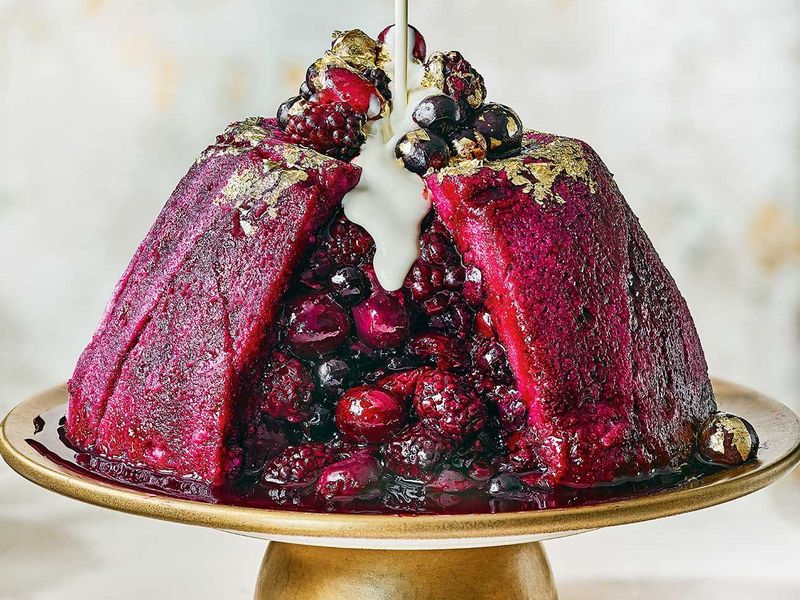
Few desserts capture a British summer quite like this crimson-stained bread-and-berry beauty. Summer Pudding was a clever way to use slightly stale white bread, pressing it into a basin filled with lightly cooked raspberries, redcurrants, and blackcurrants.
Once chilled overnight, the juices soak through every slice, turning it a stunning deep red. It was unmoulded at the table with great ceremony.
Served with a generous pour of cream, it tasted like the entire season in one bowl.
2. Gooseberry Fool
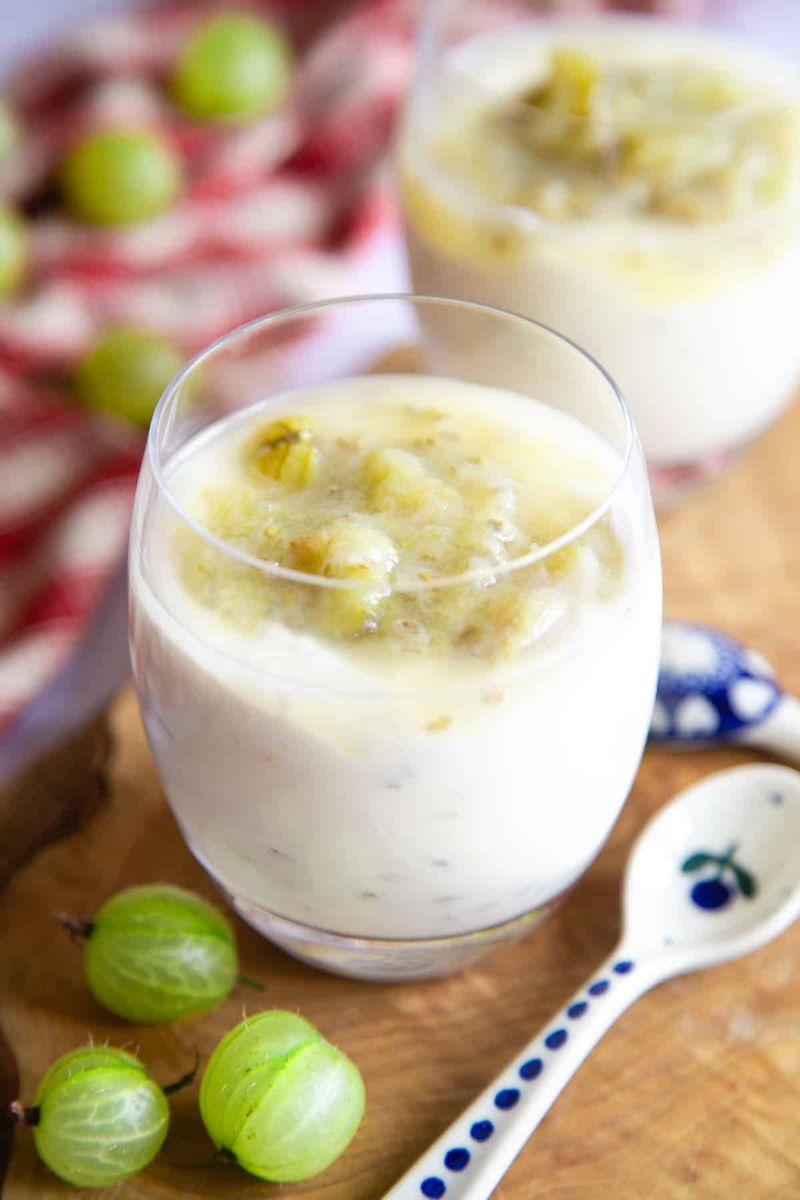
Sharp, tangy gooseberries paired with thick whipped cream sounds almost too simple, yet gooseberry fool was once one of the most beloved puddings in England. The gooseberries were stewed with a little sugar until soft, then folded generously into whipped double cream.
The result was a pale, cloud-like dessert with a lovely balance of tart and sweet. Many families grew gooseberry bushes specifically for this purpose.
Sadly, gooseberries have become harder to find, which is part of why this dessert nearly vanished.
3. Raspberry Cream Ice
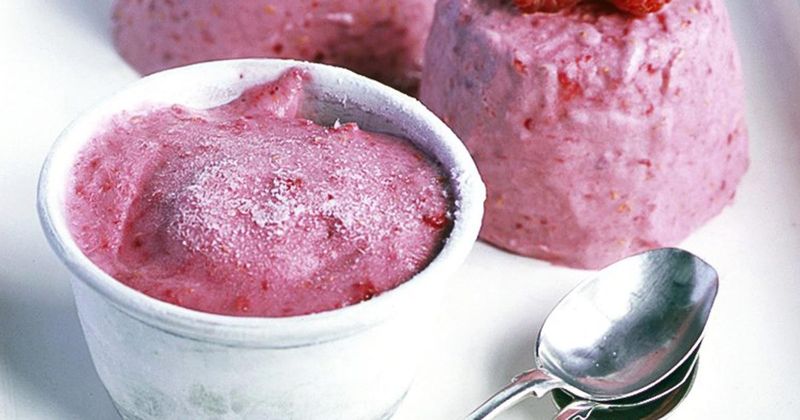
Before electric freezers existed, cream ices were a luxury that required serious effort, using ice packed in salt to churn and freeze the mixture by hand. Raspberry cream ice was a favourite at summer garden parties and grand dining tables alike.
Made from crushed fresh raspberries, sugar, and thick cream, it had an intensely fruity flavour far richer than modern sorbets. The texture was denser and more satisfying.
Recipes for this appeared in Victorian cookbooks and remained popular well into the Edwardian era.
4. Strawberry Charlotte
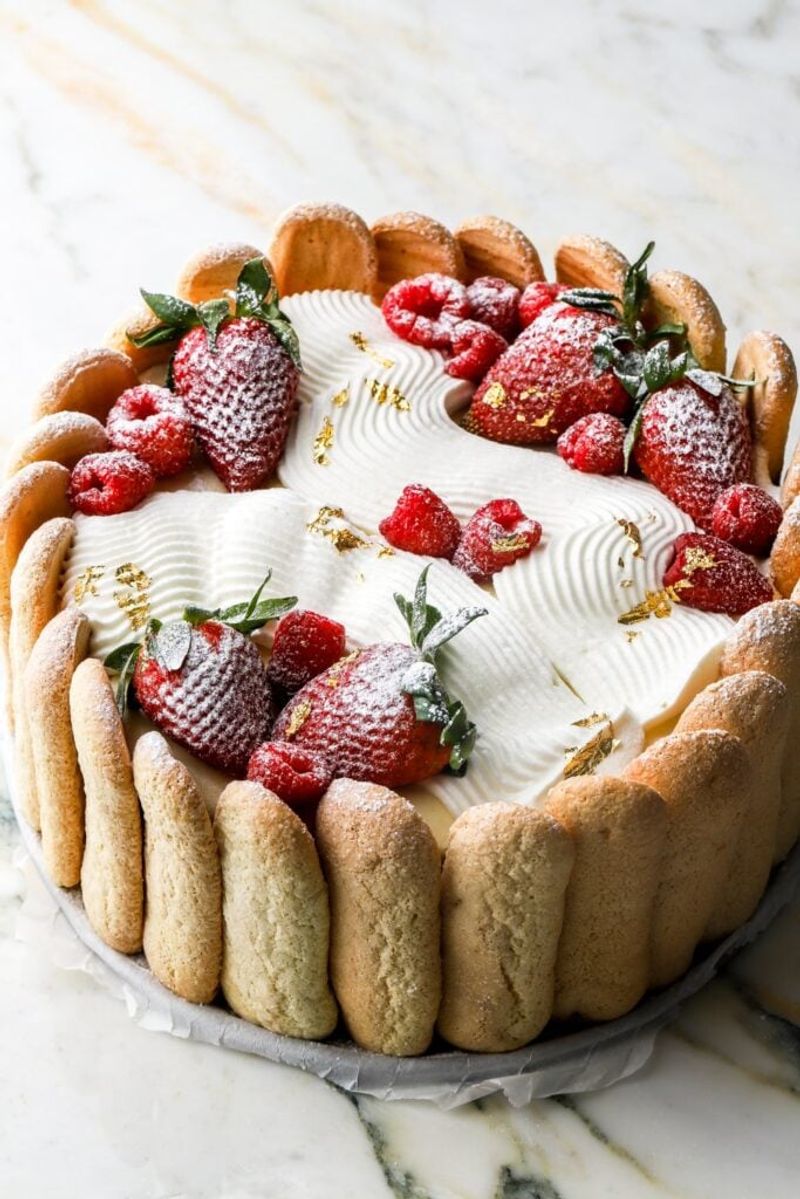
A Charlotte was once the showstopper of any summer tea table, and the strawberry version was particularly adored. Crisp sponge fingers lined a deep mould, and the centre was filled with a luscious strawberry cream or bavarois mixture.
After chilling, it was unmoulded to reveal a neat, impressive dessert that looked far more complicated than it actually was. Hostesses loved it because it could be prepared the night before.
The combination of soft cream and fruity filling against the biscuit casing was genuinely irresistible.
5. Damson Cheese
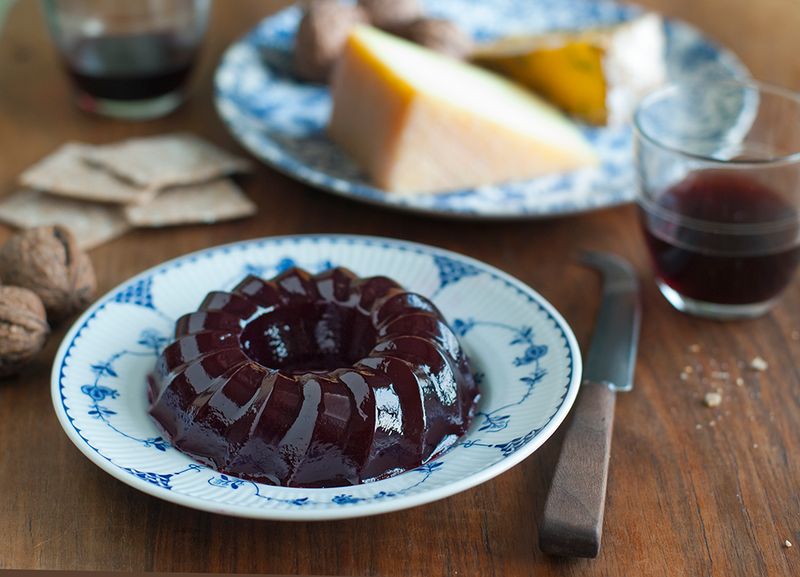
Damson cheese is not a dairy product at all, despite its name. It is a thick, intensely flavoured preserve made by cooking damson plums down with sugar until the mixture sets into a solid, sliceable block.
Served in thin slices alongside cream or soft cheese, it was a beloved end to summer and early autumn meals. The deep purple colour looked stunning on the table.
Most households made their own from garden damsons, but as kitchen gardens declined, so did this wonderful tradition.
6. Whortleberry Tart
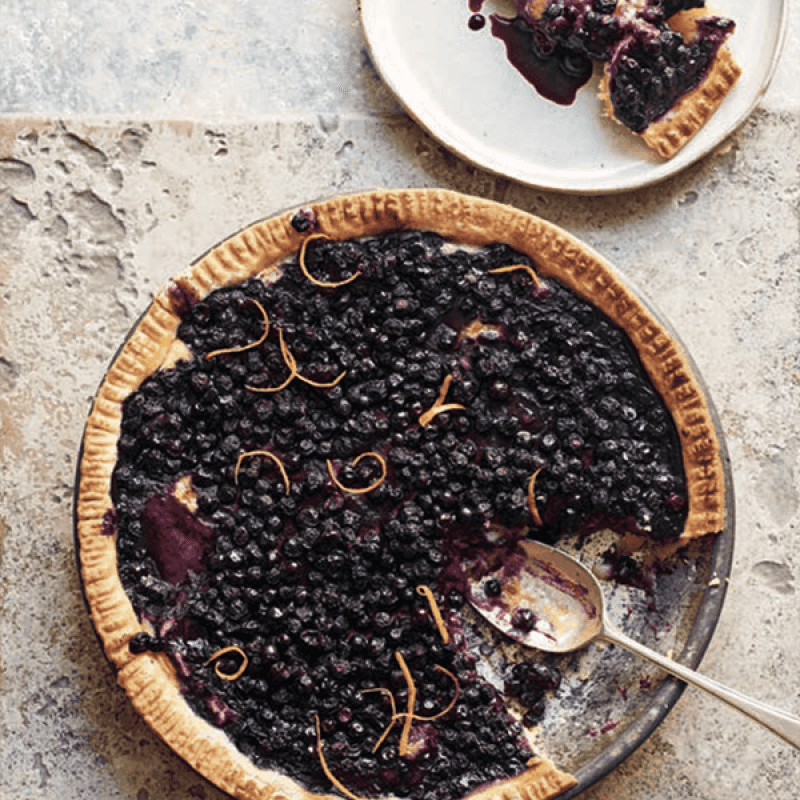
Whortleberries, also called bilberries or whinberries depending on which region you grew up in, are small dark wild berries that grow on moorlands across Britain. Picking them was a summer outing for whole families in places like Dartmoor and the Welsh hills.
Baked into a simple shortcrust tart with sugar, they produced an almost wine-dark filling with a flavour far more complex than blueberries. These tarts were eaten warm with clotted cream.
The tradition of picking and baking them has almost entirely disappeared from modern life.
7. Mulberry Water Ice
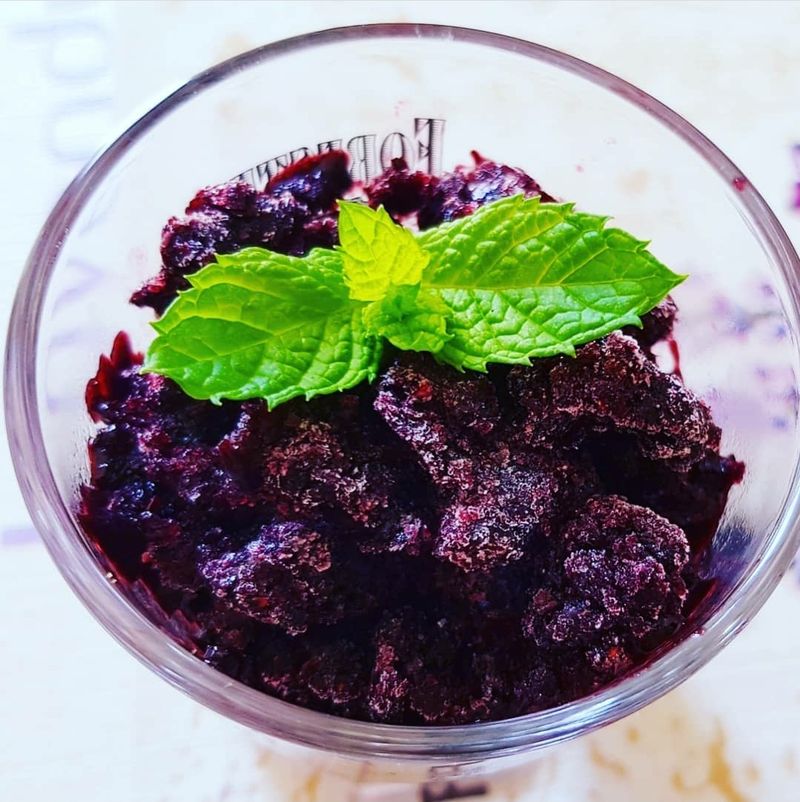
Mulberry trees were once a common sight in English walled gardens, and their short, gloriously messy fruiting season was eagerly awaited. Water ices made from mulberries were a refreshing summer treat served at formal dinners and garden parties throughout the Georgian and Victorian periods.
The berries were pressed through a sieve, mixed with sugar syrup, then frozen in a pewter or tin container. The flavour was rich, winey, and deeply purple.
Mulberries remain rare today, making this dessert almost mythological to younger generations.
8. Redcurrant Jelly Trifle
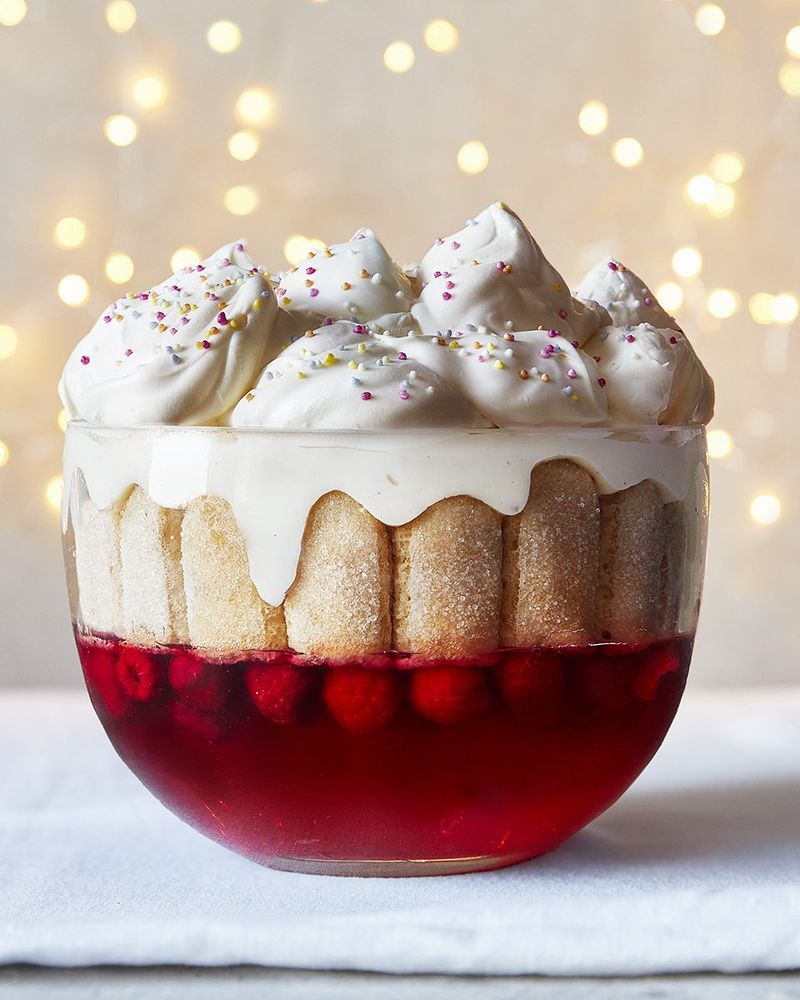
Most people think of trifle as a Christmas dessert today, but it was originally a summer showpiece, built around whatever fresh fruit and jelly was available. Redcurrant jelly trifle was particularly popular because the jewel-bright colour looked magnificent through a glass bowl.
Layers of sponge soaked in sherry sat beneath tangy redcurrant jelly, thick egg custard, and billows of whipped cream. The sharp fruit cut through the richness perfectly.
Old recipe books from the 1800s mention this version far more frequently than the modern raspberry or strawberry variations.
9. Plum Flummery
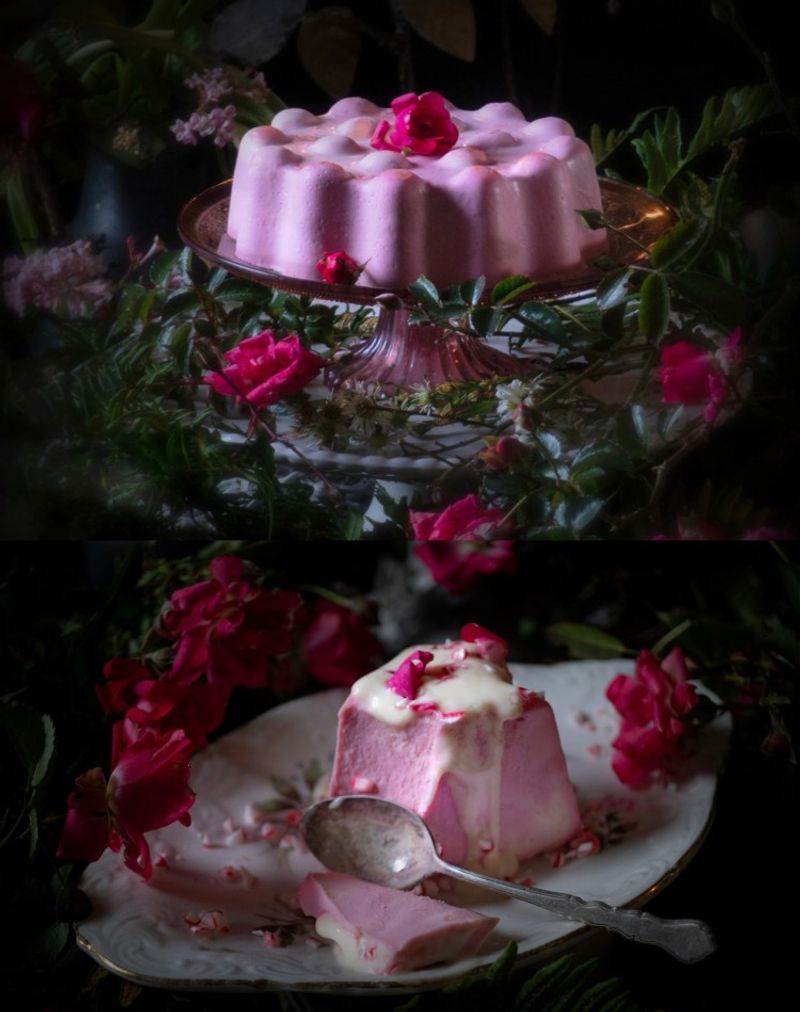
Flummery sounds like something from a fairy tale, and in a way it is. This delicate, wobbly dessert dates back to the seventeenth century and was made by setting a sweetened fruit puree with cream and a little gelatine or hartshorn into decorative moulds.
Plum flummery had a gorgeous blush-pink colour and a silky, melt-in-the-mouth texture. It was served chilled and was considered quite refined.
By the twentieth century it had been largely forgotten, overshadowed by commercial jellies and blancmanges that were much easier to make.
10. Elderflower and Gooseberry Jelly
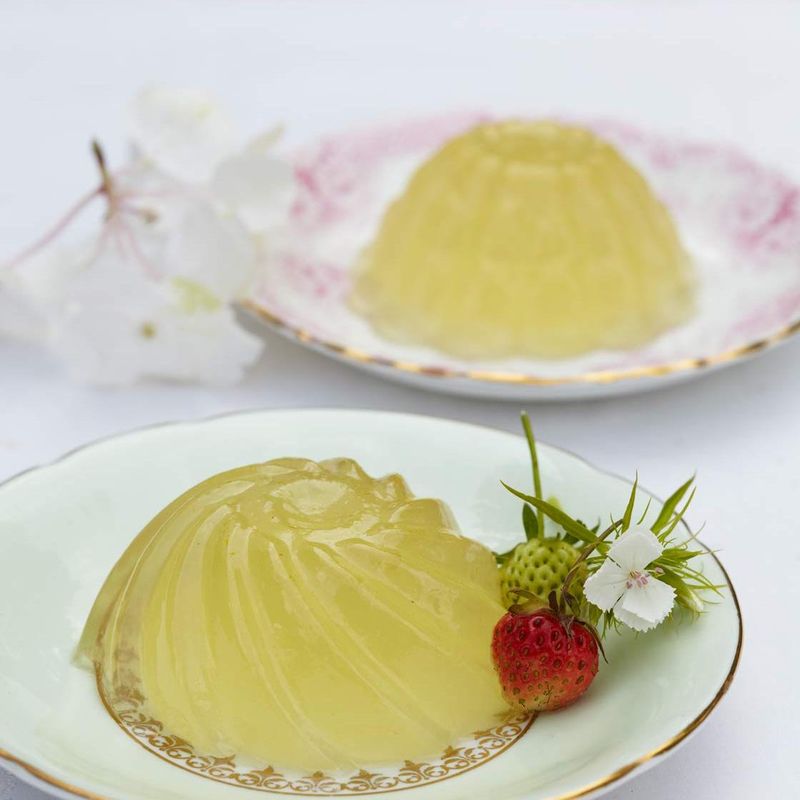
Elderflower and gooseberry is one of those flavour pairings that feels made by nature itself, and British cooks figured this out centuries ago. This elegant jelly used elderflower cordial or infused elderflower water to set with gooseberry juice, creating a pale golden wobbling dessert of real beauty.
It was light, floral, and perfectly refreshing on a hot afternoon. The combination was considered the taste of June.
Making it required patience and good-quality gelatine, but the result was always met with admiration from guests seated at the table.
11. Cherry Tansy
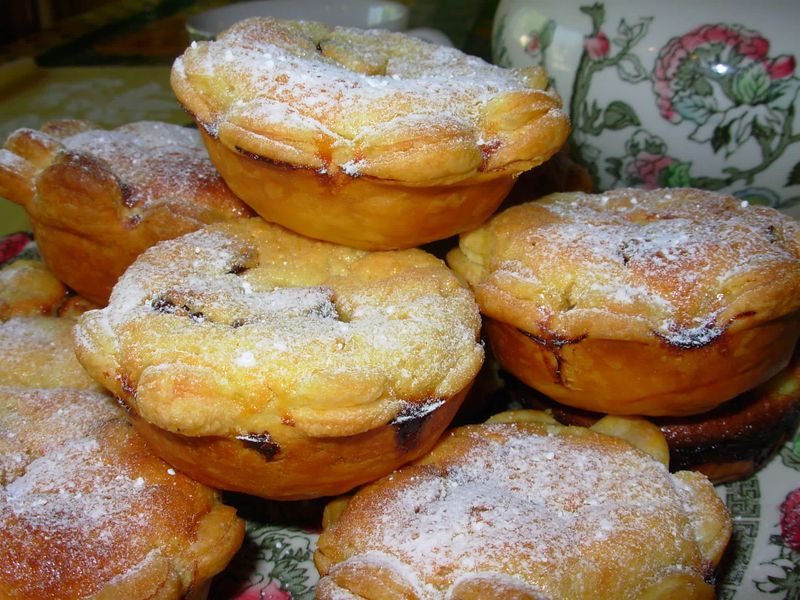
Cherry tansy is one of those wonderfully odd old British recipes that sounds strange until you actually taste it. A tansy was an egg-based dish, somewhere between a thick omelette and a pancake, flavoured with fresh cherries and sometimes a little tansy herb or nutmeg.
Cooked in butter and dusted with sugar, it was served hot as a sweet course during cherry season. The name comes from the herb tansy, though later versions dropped the herb entirely.
This dish appears in cookbooks as far back as the Tudor period.
12. Apricot Amber
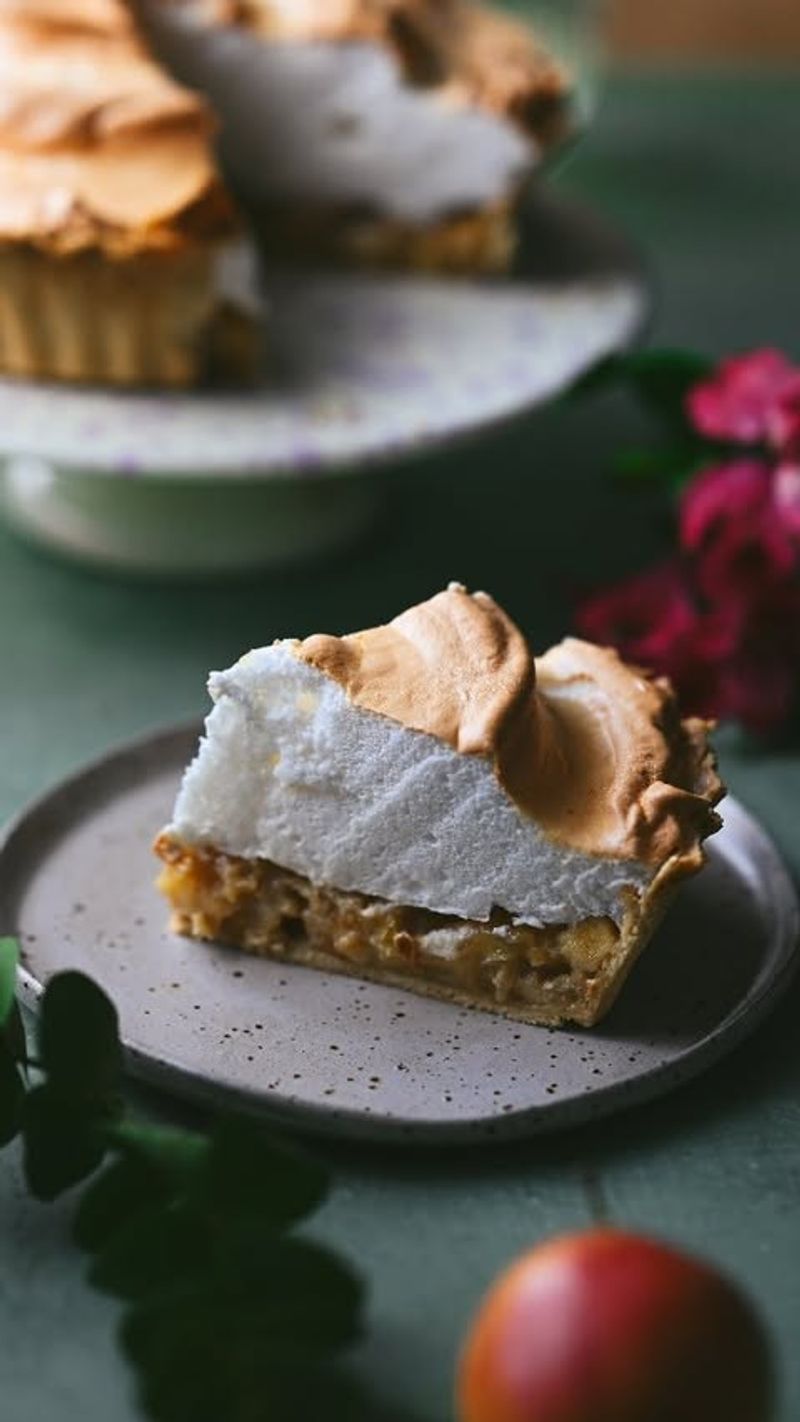
Apricot amber was a staple of Victorian cookery books and a firm favourite at summer luncheons. A buttery shortcrust pastry case was filled with a smooth, intensely flavoured apricot puree mixed with eggs, butter, and sugar, then baked until just set.
Some versions added a light meringue topping, which puffed up golden in the oven. The filling had a gorgeous deep amber colour that gave the dessert its name.
It tasted rich, fruity, and not too sweet, which made it feel both luxurious and refreshing at once.
13. Black Currant Pudding
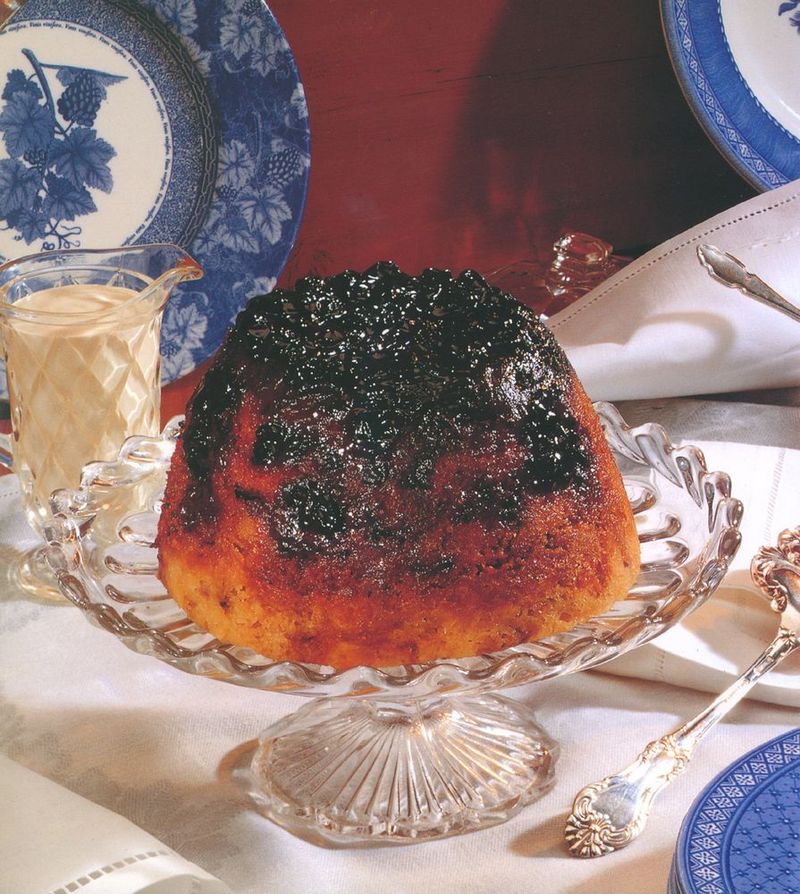
Blackcurrant pudding was a summer staple that most British grandmothers would have made without even consulting a recipe. Fresh blackcurrants were layered with sugar in a pudding basin, topped with a simple sponge batter, then steamed or baked until risen and fragrant.
When turned out, the dark purple juices ran down the sides of the pale sponge in a deeply satisfying way. The sharpness of the blackcurrants against the sweet sponge was a match that worked every time.
Modern families rarely make this now, which is genuinely a shame.
14. Loganberry Mousse
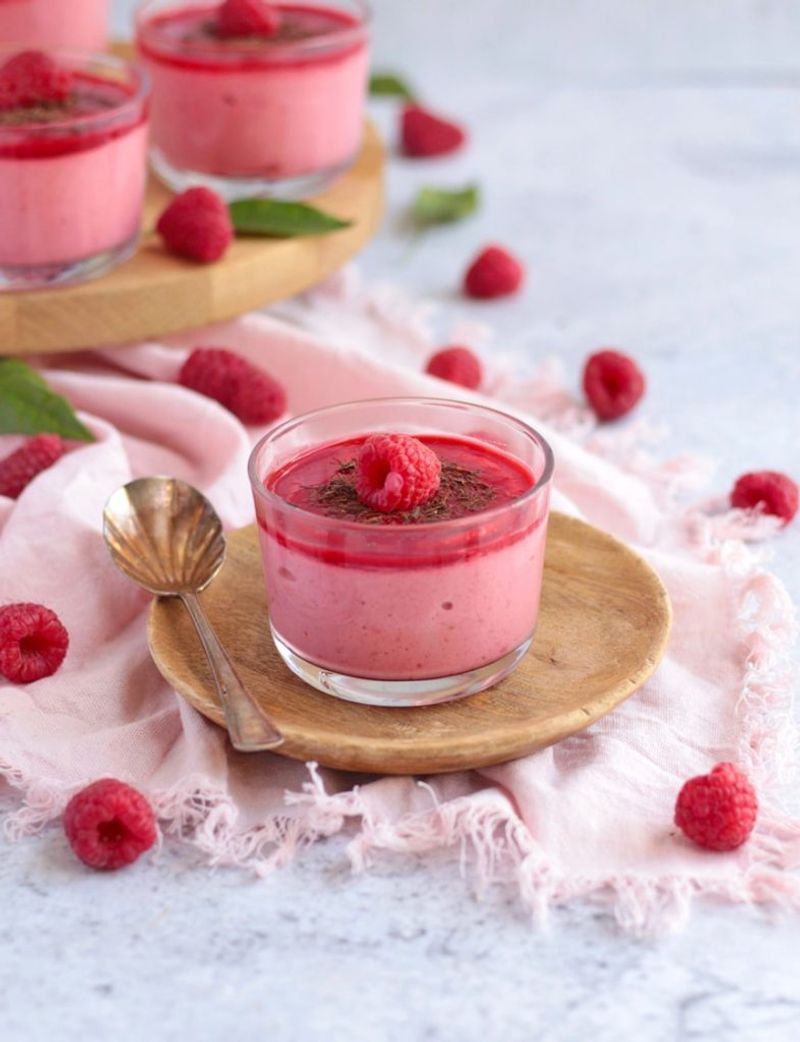
Loganberries are a cross between a raspberry and a blackberry, and they were enormously popular in British gardens through the early twentieth century. Their bold, slightly tart flavour made them perfect for a summer mousse that felt light enough for warm weather dining.
Pureed loganberries were folded into sweetened whipped cream and set with a small amount of gelatine into individual glasses. The colour was a beautiful deep rose-pink.
Growing loganberries at home has become unusual today, and finding them fresh is nearly impossible, which explains why this mousse has all but vanished.
15. Quince Marmalade Pudding
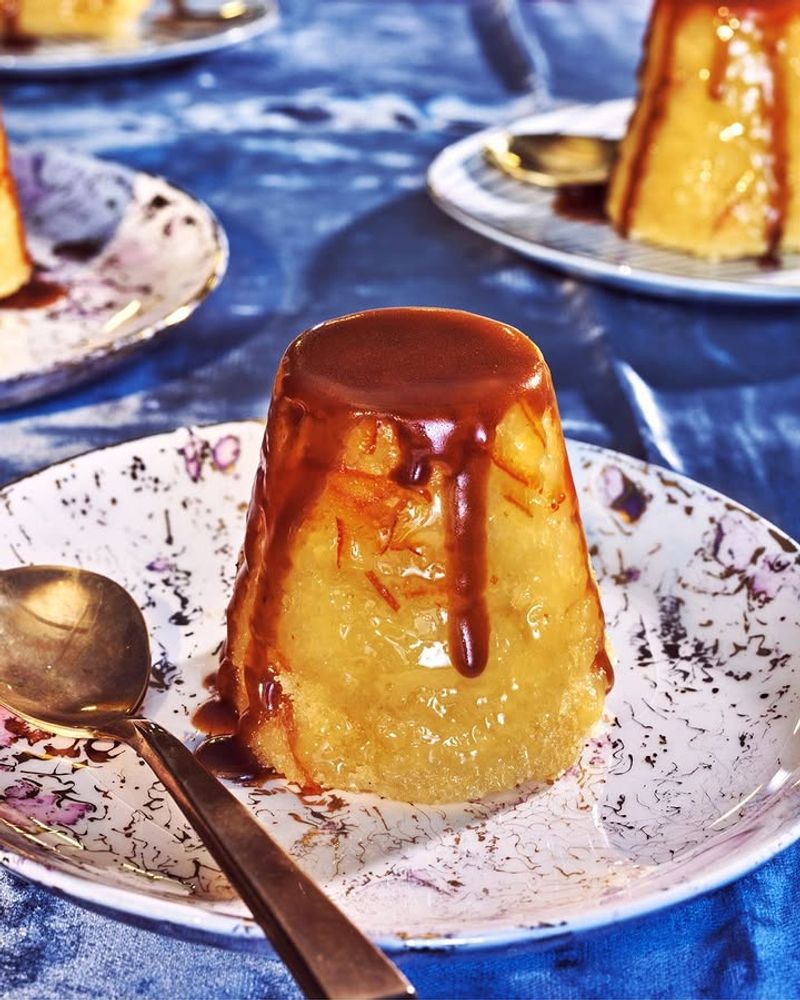
Quince has a haunting fragrance unlike any other fruit, and British cooks once used it enthusiastically in both sweet and savoury dishes. Quince marmalade pudding layered a thick, rose-gold quince preserve beneath a light sponge batter, then baked it until the top turned golden.
Flipped out of the dish, the sticky quince topping gleamed like amber. The perfumed, honeyed flavour was completely unlike anything else on the summer table.
Quinces need cooking to be edible, which may explain why this recipe faded as convenience cooking became the norm.
Comments
No Comments